Learn Finnish Vocabulary Visually: Why Pictures Beat Word Lists
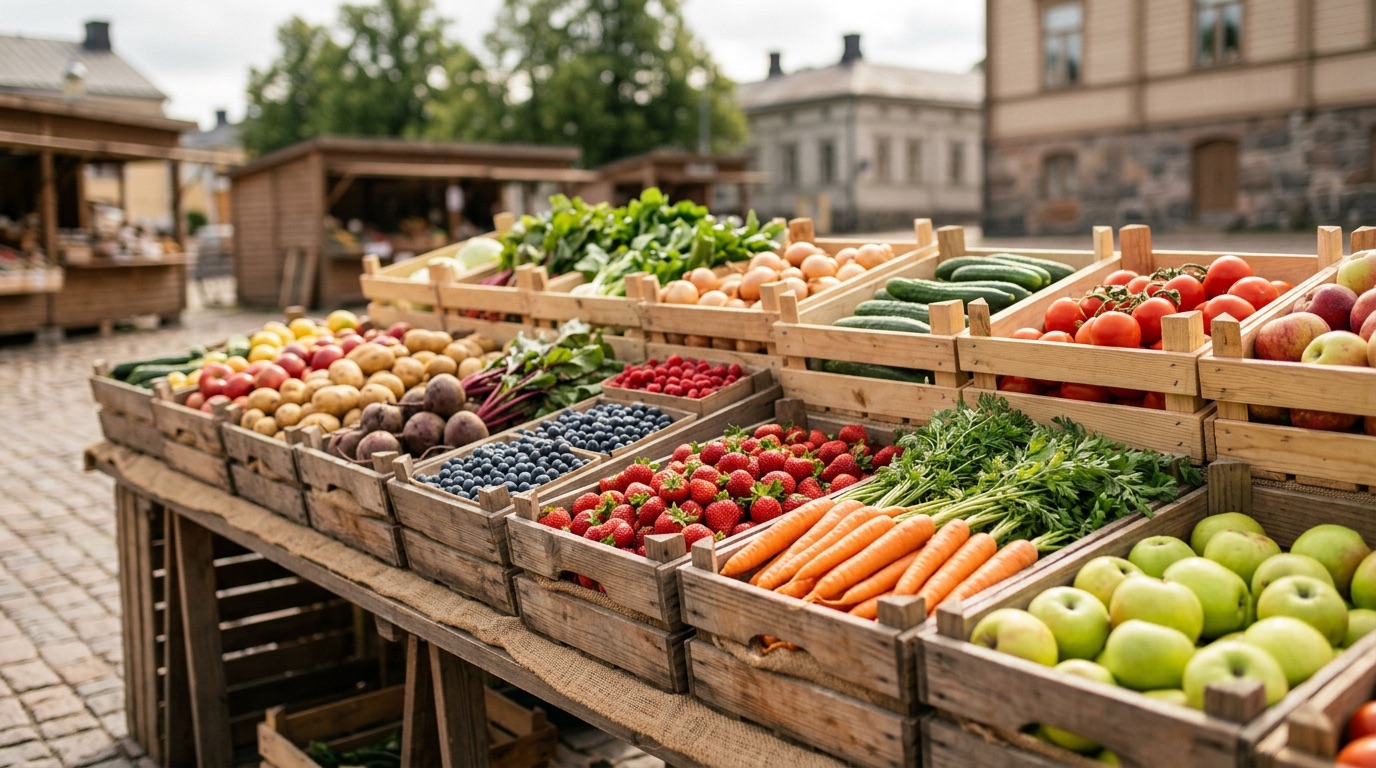
The problem with Finnish word lists
Most people start learning Finnish the same way: a long list of words with English translations. talo = house, auto = car, kissa = cat. You read it, you feel productive, and two days later most of it is gone.
This is not a discipline problem. A bare word list gives your brain only one thin thread to hang a memory on, the sound of a foreign word tied to an abstract translation. There is nothing to picture, no situation, no reason to care. Finnish makes it harder still, because the words look nothing like English and change shape with all 15 cases.
What dual coding actually says
Decades of memory research point to a simple idea called dual coding: information encoded two ways, as words and as images, is remembered far better than information encoded one way. A picture gives the word a second, sturdier hook.
We should be honest about what this means. Dual coding is not a magic trick that makes Finnish easy; Finnish still takes real time. But if you are going to spend that time anyway, learning a word attached to a picture and a real situation is measurably more efficient than staring at a list.
Learn the word where it actually lives
The most durable way to remember jääkaappi (fridge) is not to memorise "jääkaappi = fridge", it is to see a kitchen, notice the fridge in the corner, hear the word spoken, and tap it. Now the word has a place, a sound, and a picture, all at once.
That is the whole idea behind learning by scene. Instead of decontextualised lists, you explore a room or a street and pick up the words that belong there, the way a child learns their first language, and the way you will actually use Finnish when you are standing in a real Finnish kitchen.
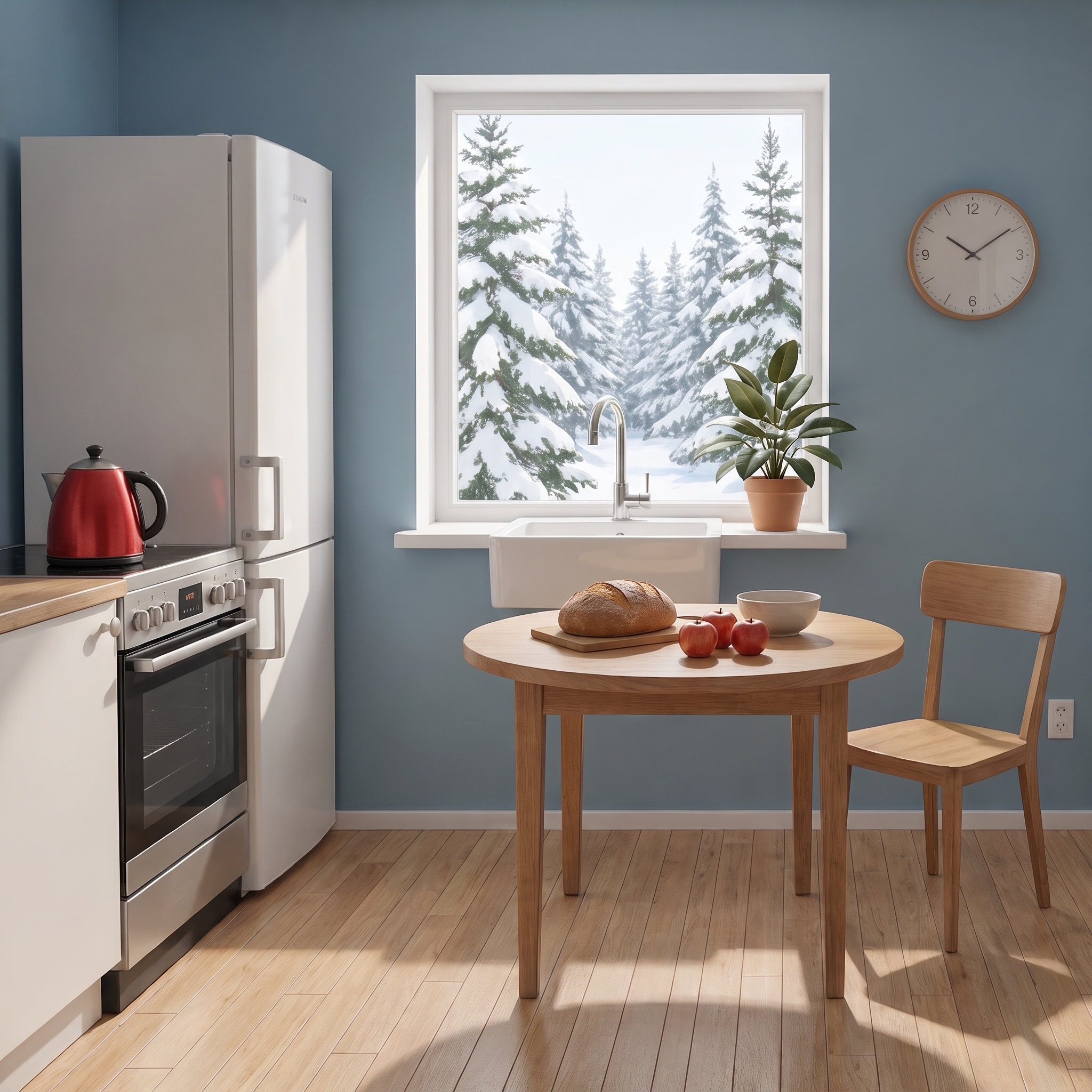
This is exactly how SuomiSpeak's Picture Scenes work: tap any object in a detailed everyday scene to hear its Finnish name, then find it and say it. kitchen · keittiö
Explore Picture Scenes →A simple visual routine that works
You do not need an app to use this. Label things around your home with sticky notes. Draw quick sketches next to new words. Group vocabulary by place, kitchen, bathroom, bus stop, instead of alphabetically.
If you want the routine built for you, that is what Picture Scenes does: 68 scenes, 400+ everyday words, each proofread by native speakers, each shown in the place it belongs. But the principle matters more than the tool, attach every Finnish word to a picture and a situation, and it will stick.
Learn Finnish words in context, not in lists
SuomiSpeak pairs every word with native audio, example sentences and picture scenes, so words stick the first time. Free to start.
Frequently asked questions
Is visual learning really better for Finnish vocabulary?
For concrete, everyday words, objects, places, food, tools, yes. Pairing a word with an image (dual coding) gives your memory a second hook and reliably improves recall. For abstract grammar, you still need explanations and practice, so use visuals as one part of a broader routine.
How many Finnish words do I need to know?
Around 800–1,000 common words cover most everyday situations, and roughly 2,000–3,000 gets you comfortable with ordinary conversation and media. Focus first on high-frequency, concrete vocabulary you will actually use.
What is the fastest way to remember Finnish words?
Meet each word in context (a picture or a real sentence), hear it spoken, say it out loud, and review it on a spacing schedule so it comes back just before you forget it. Context + audio + active recall beats silent list-reading every time.